

How thick can a laser welder weld?
Short answer: a handheld laser welder of 800 to 1500 W welds 3 to 6 mm of steel in a single pass, depending on power. It performs best on thin and medium sheet (0.5–4 mm).
Thickness by power
Look at two figures on the data sheet: the maximum penetration, the limit in a single pass, and the thickness at 100% duty cycle, what it welds continuously. The second is the figure that matters for production.
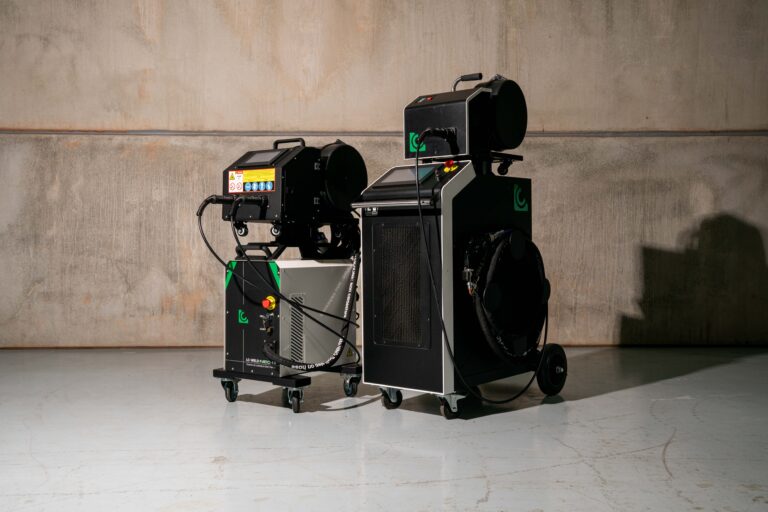
| Model | Power | Maximum | Continuous |
|---|---|---|---|
| LC-WELD NEO 3.0 | 800 W | 3 mm | 2 mm |
| LC-WELD NEO 4.0 | 1200 W | 4 mm | 3 mm |
| LC-WELD NEO 5.0 | 1500 W | 5 mm | 4 mm |
| LC-WELD SMART | 1500 W | 5 mm | 4 mm |
| LC-WELD PRO | 1500 W | 6 mm | 5 mm |
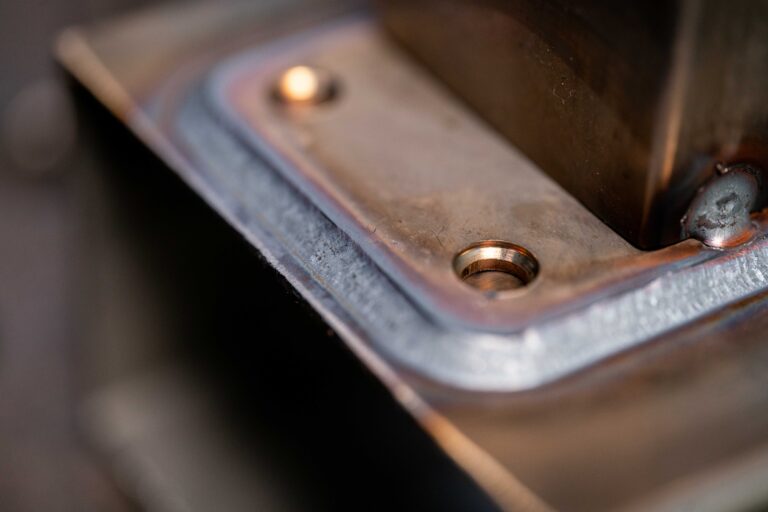
What else affects thickness?
- Material: stainless and carbon steel are the reference. Aluminium reflects more and dissipates heat, so it penetrates less at the same power.
- Joint type: a butt joint uses the full thickness; a lap joint, less.
- Preparation: rust or grease absorb energy and cause porosity. The LC-GUN V4.4 torch can also clean the joint before welding.
- Speed and filler wire: moving slower increases penetration; the wire fills joints with gaps or bevels.
What about more than 6 mm?
It can be done by bevelling and welding in several passes, but if your usual work is heavy plate fabrication, a handheld laser is not the main tool.
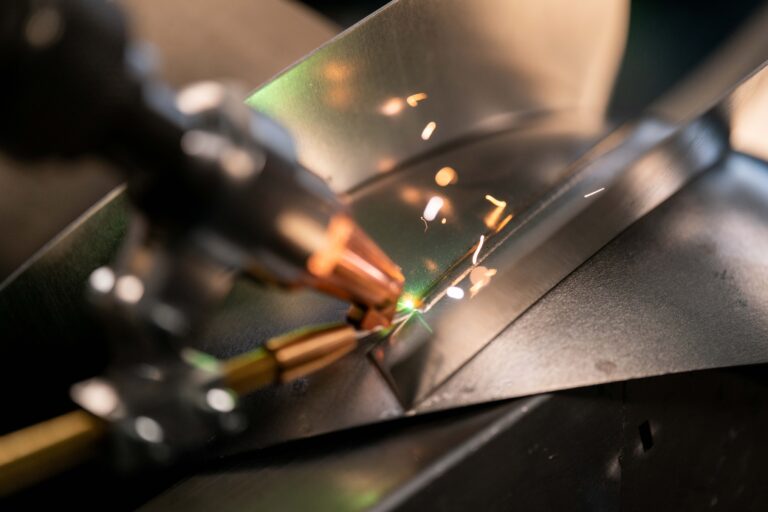
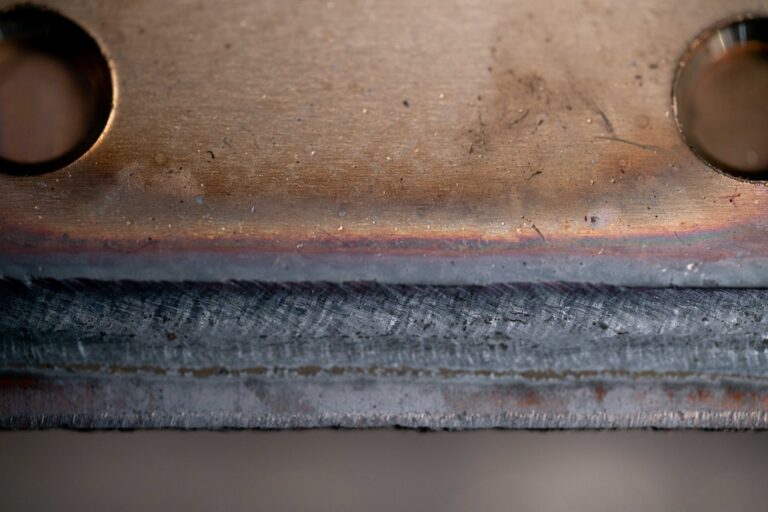
Where it makes the difference is thin and medium sheet: it welds much faster than TIG, without distortion and without rework. It also welds sheet under 1 mm without burning through.
What power do I need?
- Up to 2 mm: LC-WELD NEO 3.0 (800 W).
- 2 to 4 mm or aluminium: 1200–1500 W (NEO 4.0, NEO 5.0 or SMART).
- Continuous production at 4–5 mm: LC-WELD PRO, water-cooled.
Choose based on the thickness you weld every day, not the occasional maximum. Want to know when it would pay for itself? See the laser welding ROI.
Frequently asked questions
How many mm can a 1500 W laser welder weld?
5 to 6 mm of steel in one pass; 4 to 5 mm continuously.
And an 800 W one?
Up to 3 mm maximum and 2 mm continuously.
Can thick aluminium be welded?
Yes, but it needs more energy than steel: we recommend 1200–1500 W and a test first.
Want to see it on your parts? We manufacture in Sallent (Barcelona, Spain) and run tests with your material. Request a demo.